


Which mouthwash should I use?


This is a question I get asked surprisingly often. There are loads of mouthwash options out there, each of them claiming to help prevent plaque build up, gum disease, tartar and prevent bad breath amongst other things. Like choosing a toothpaste, it’s hard to know the difference between different ones.
With so many different options, it’s hard to know which mouthwash is best. So which mouthwash should you use?
Short answer: none of them, or whichever you like the most (with a couple of small caveats)

Now, I’m going to say something potentially controversial here, but I don’t use or particularly recommend using mouthwash at all, except for in certain specific situations such as during gum disease treatment.
I’ve often found my patients use mouthwash as a substitute for flossing or even brushing, which unfortunately, simply doesn’t cut the mustard. It’s the mechanical disruption of the plaque, literally a brush poking the plaque, that stops it from doing the damage and no matter how hard you try to force the mouthwash between your teeth, it’s never going to have the same effect as physically getting in there and dislodging it.
Furthermore, using a mouthwash straight after brushing actually washes away all the fluoride-containing toothpaste which would have been working to strengthen your enamel.
Mouthwash does have its uses though and it depends on what you’re using it for.
Fresh breath
If you brush your teeth before breakfast (like me) you may want to freshen your mouth before you head out for the day, or maybe to swish away the detritus after lunch when you don’t have a brush handy.
Mouthwash is great for this, it helps to clear away the debris and leaves your mouth feeling fresh. If this is what you’re using mouthwash for, then it really is completely a personal preference. Whatever you like the most, go for it, so long as it’s alcohol free (more on that later).
Is Corsodyl the best mouthwash for bleeding gums?

If you’ve been told you’ve got gum disease, your dentist may recommend using a Chlorhexidine-containing mouthwash such as Corsodyl. These mouthwashes are great at killing the bacteria which cause gum disease, but only as in addition to thorough brushing and flossing. The best mouthwash in the world is no substitute for flossing unfortunately.
To get the biggest benefit from using a chlorhexidine mouthwash, you need to use it at a separate time to brushing, as ingredients in most toothpastes stop the mouthwash properly working. You can of course use a toothpaste such as Corsodyl toothpaste which is designed to not interfere with the mouthwash, but I’d still suggest using it at a different time is going to get the benefit of additional cleans throughout the day.
One of the downsides of a chlorhexidine mouthwash is that whilst it’s great at killing bacteria, it’s great at picking up staining. If you regularly use this type of mouthwash and fix yourself a brew, you’re probably going to notice brown staining on your teeth within a couple of months. It’s only superficial staining so a hygienist will be able to remove it for you, but it doesn’t look great until you can get back in for an appointment.

There are now some chlorhexidine mouthwashes, Curasept being one example, that contain chlorhexidine but doesn't lead to staining.
The other concern I have with using chlorhexidine long term is that it’ll kill off the bacteria in your mouth that are susceptible to it, but over time, what’s left behind are other types of bacteria that are more resistant to its beneficial effects, making it less effective over time.
I do sometimes recommend chlorhexidine mouthwash for a few weeks alongside treating gum disease, but I don’t recommend it for long term use.
What ingredients are important in a mouthwash?
I’m going to keep this simple and focus on just two ingredients to look out for. Fluoride and alcohol. Fluoride is good, alcohol is not.
Fluoride is the mineral that helps to strengthen tooth enamel, so if you’re using a mouthwash because you’re concerned about tooth decay or tooth wear due to acid erosion, you’ll want to make sure your mouthwash contains fluoride.
It’s still important to remember though that the fluoride in your mouthwash won’t be as strong as the fluoride in your toothpaste, so it’s still best to use it at a different time to brushing, such as after eating, to avoid washing away all the goodness in your toothpaste.
Most mouthwashes nowadays don’t contain any alcohol. Alcohol is also great at killing bacteria, however regular exposure of the gums in your mouth to alcohol can increase your risk of oral cancer so it’s best to be avoided in a mouthwash, even if it’s in very low quantities.
My favourite mouthwash
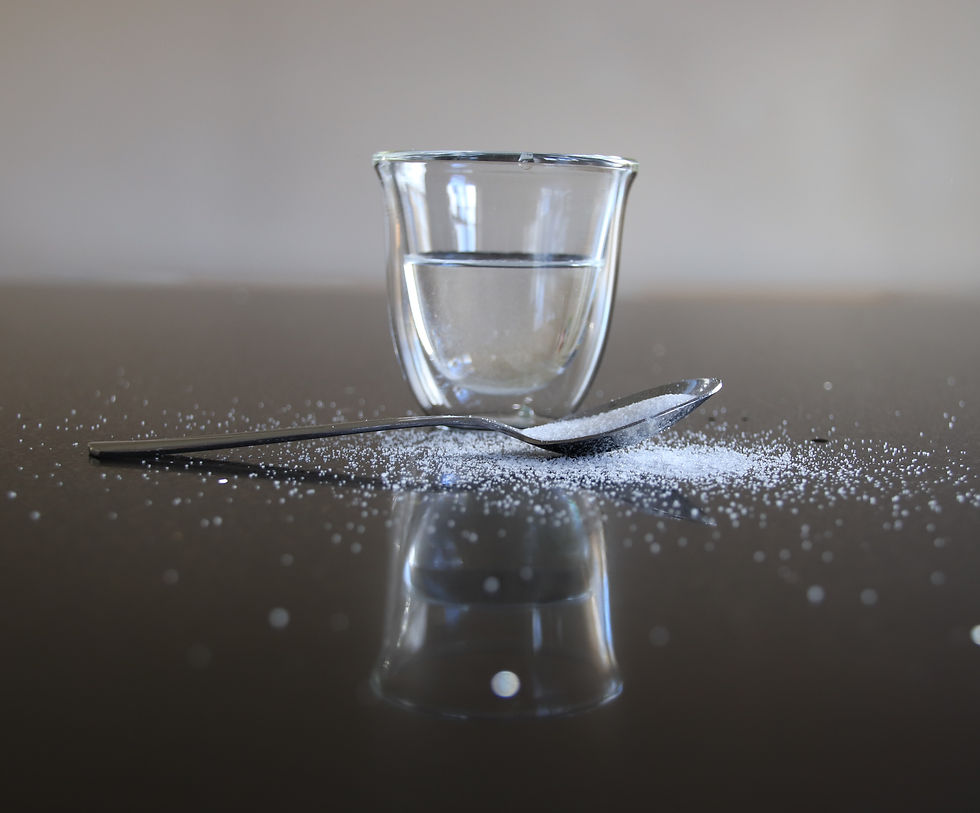
My favourite mouthwash of all, being an honorary tight Yorkshireman, is salt water. Specifically a 2% salt water solution (one teaspoon (5g) of salt to 250ml or half a pint of cooled boiled water) has got a lot of evidence showing how it can help the healing processes within the mouth after an extraction, implant surgery, or even just to get rid of a pesky ulcer a bit quicker.
Salt water is also great at killing bacteria too, and it costs next to nothing to make up.
So which mouthwash is best?
Well it depends what you want it to do.
Fresh breath: whatever you like, so long as it doesn’t contain alcohol
Gum disease: a chlorhexidine mouthwash such as Cordodyl is great for short spells, such as two weeks, alongside gum disease treatment with a dentist or hygienist
Ulcers or after a tooth extraction or surgery: salt water!
Just remember, whichever you choose, it’s not a substitute for brushing and interdental cleaning and the best time to use mouthwash is at a different time to brushing.


Comments